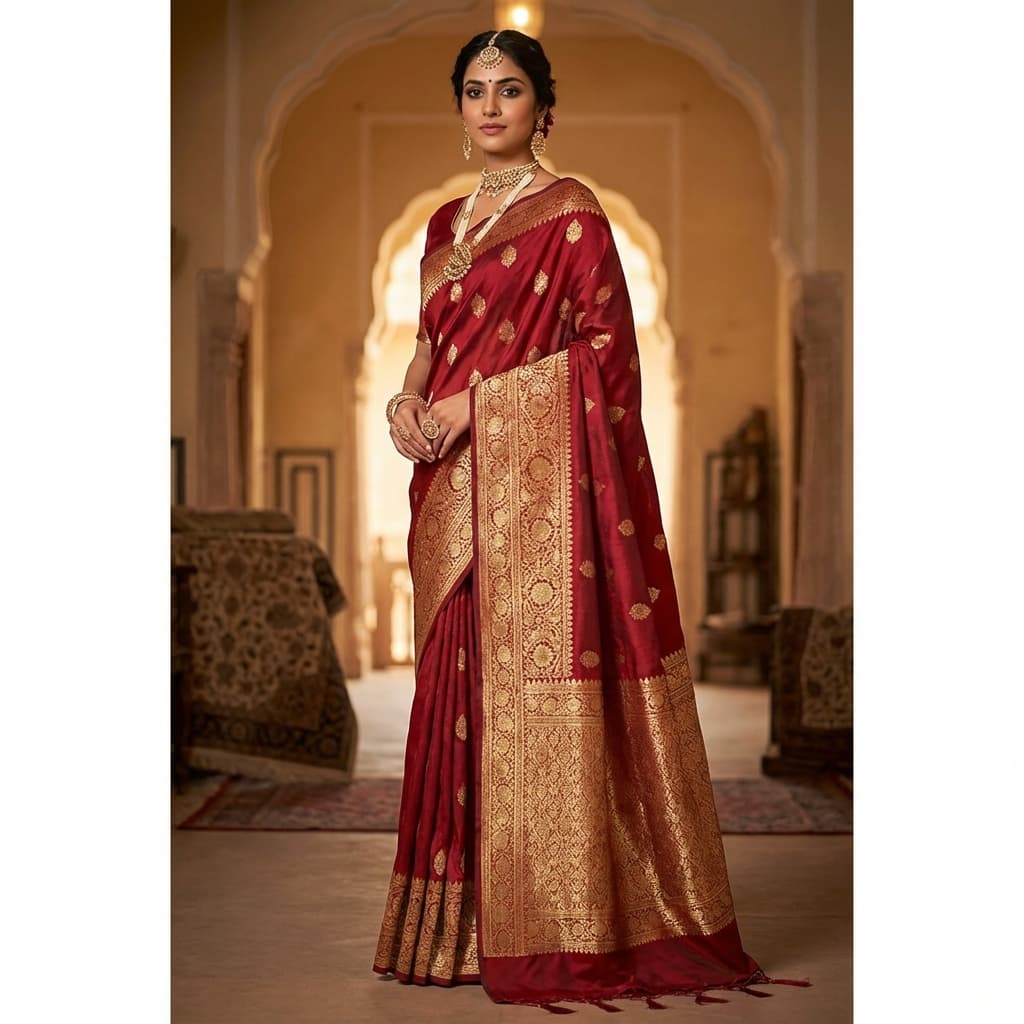
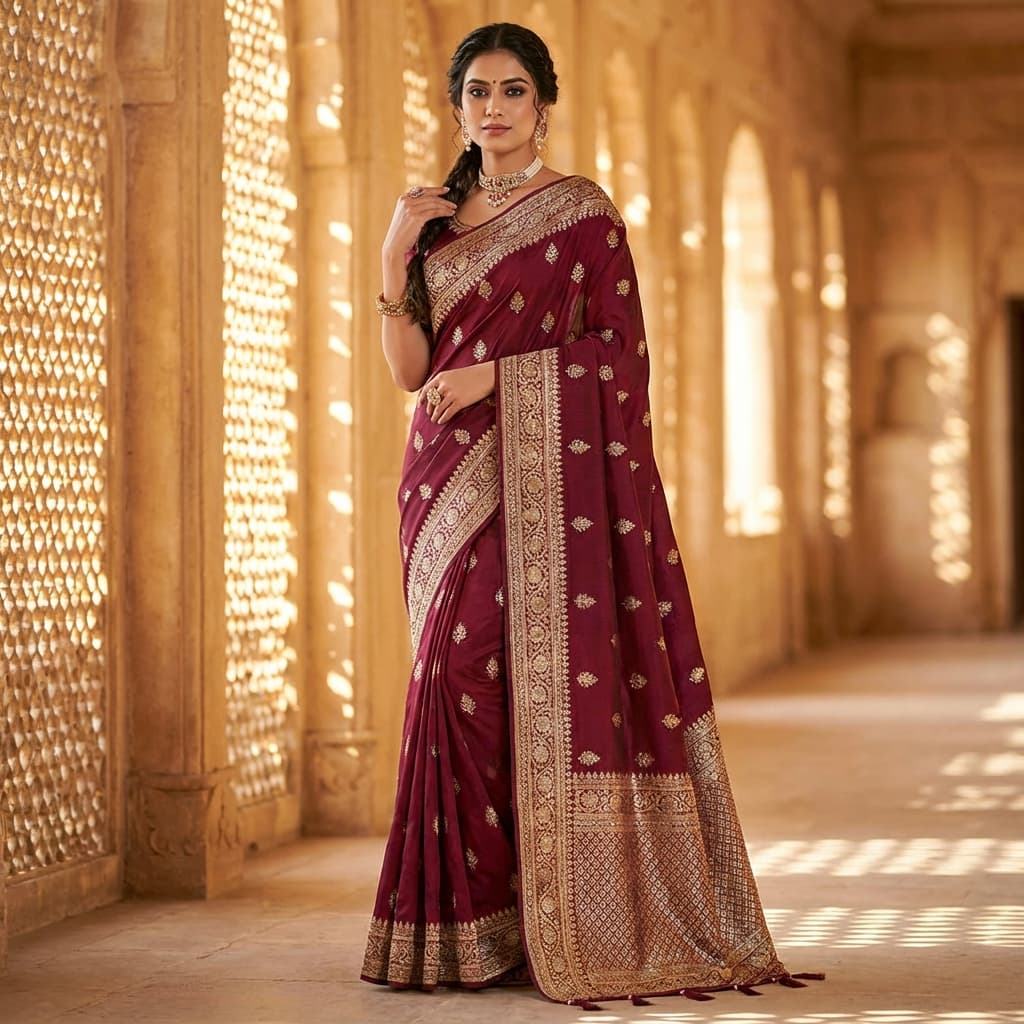
The Banarasi saree is a legendary masterpiece from the heart of Varanasi, woven with fine silk and opulent gold and silver zari. This ancient craft, flourishing since the Mughal era, represents the pinnacle of Indian weaving, where every thread is a testament to the weaver's unparalleled skill and devotion.
The history of Banarasi silk is intertwined with the Mughal Empire's opulence. It was during this era that the craft reached its zenith, merging Indian aesthetics with Persian floral designs. Every saree was a canvas for 'Zardozi' and 'Kimkhab', featuring pure gold and silver threads that shimmered in the royal courts.
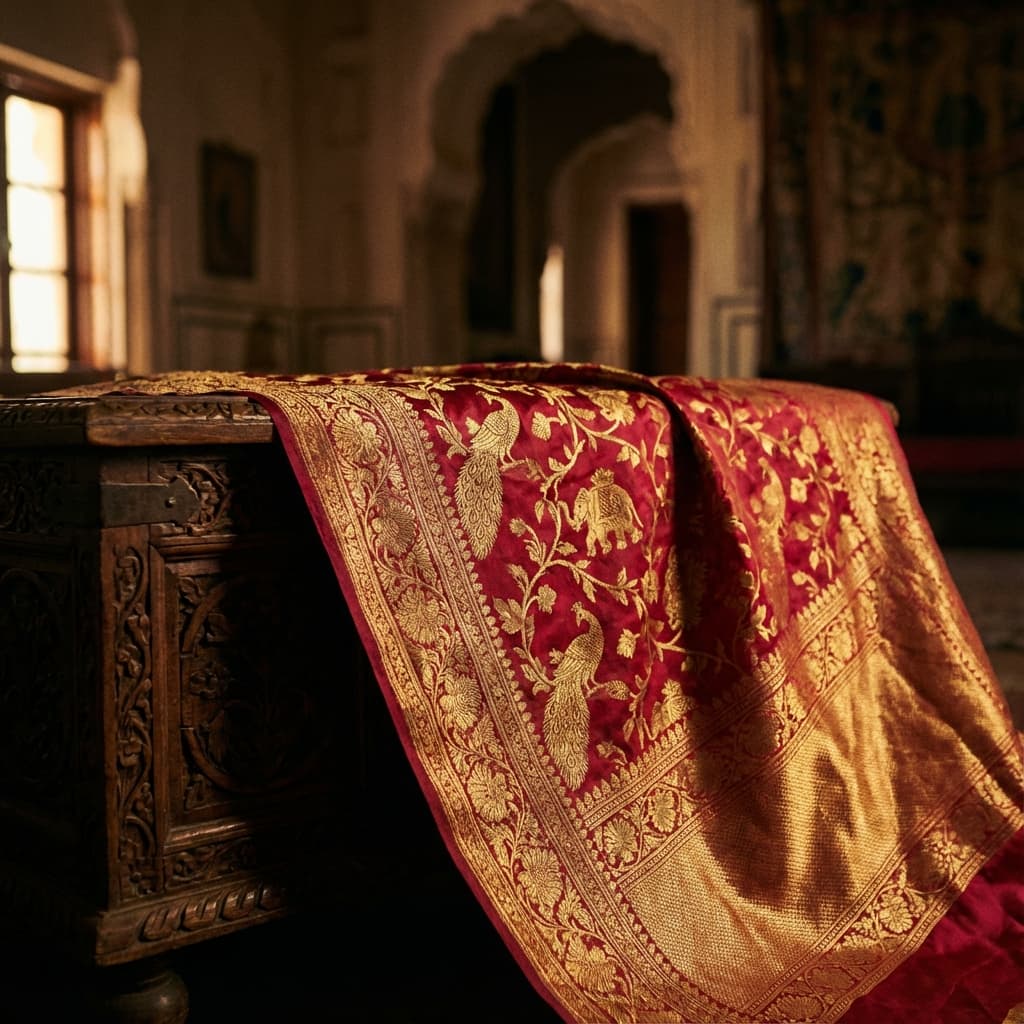
The craft is deeply rooted in Varanasi (Kashi), one of the world's oldest living cities. The spiritual energy of the Ganges and the ancient chants of the temples are woven into every thread, making each saree a piece of sacred history.
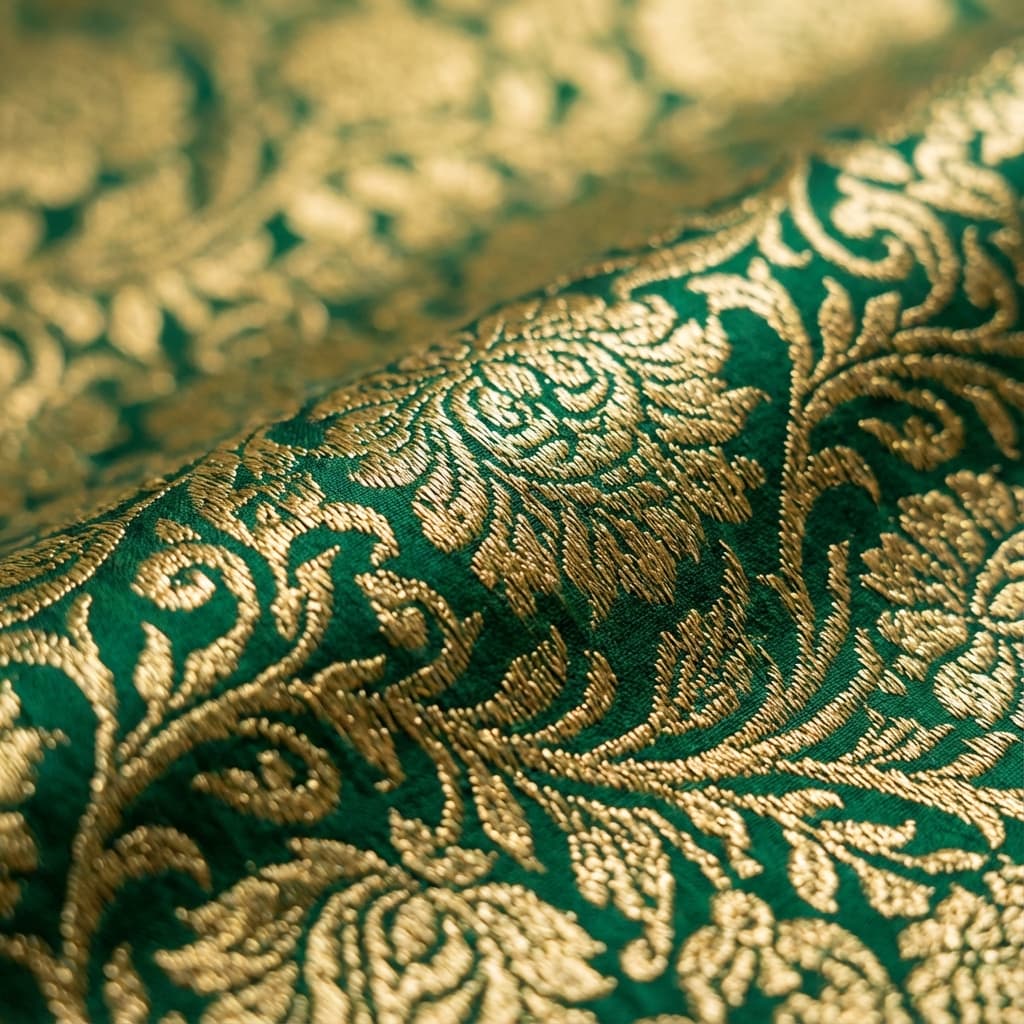
Featuring dense floral patterns that cover the entire body. Tanchoi: Beautiful 'Jamawar' style paisley patterns woven using silk threads without zari.
A cutwork technique where floating threads are trimmed by hand.
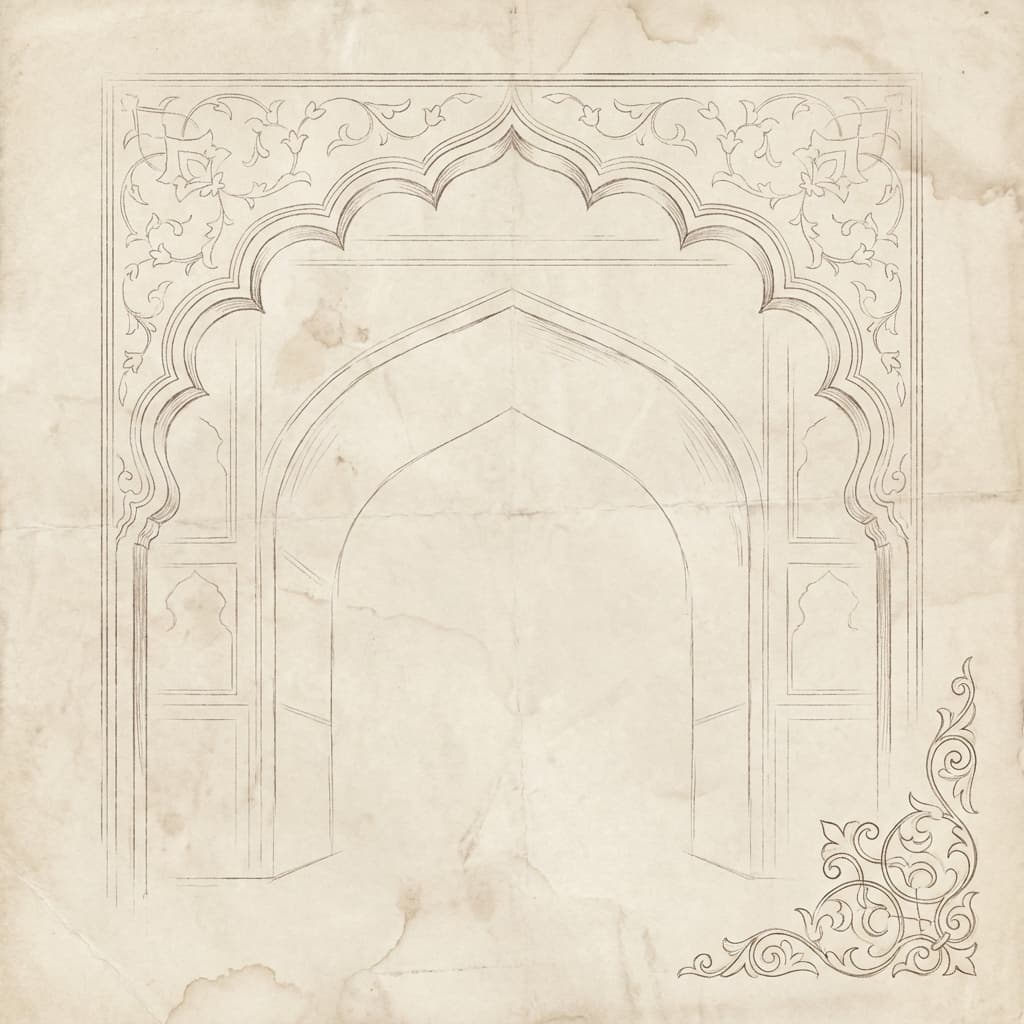
A single Banarasi saree can take anywhere from 15 days to 6 months to weave. It begins with the 'Naksha' (design) created on paper, which is then translated into the 'Jacquard' punch cards that guide the rhythm of the loom.