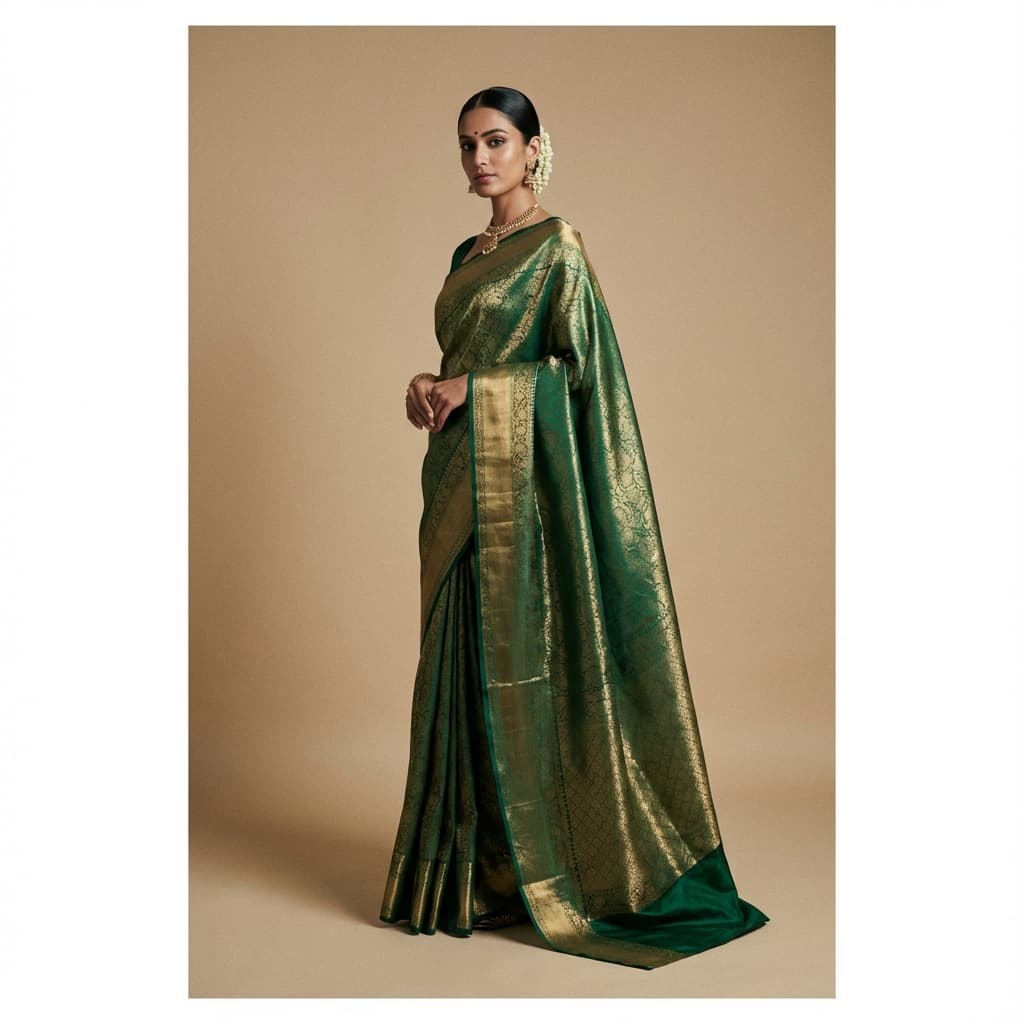
Originating from the 18th-century royal capital of Queen Ahilyabai Holkar, Maheshwari sarees are a breathtaking fusion of pure silk and fine cotton. Known for their legendary lightweight grace and unique reversible borders, each weave is a testament to the timeless architectural elegance of the Maheshwar Fort.
In the 18th century, Queen Ahilyabai Holkar of Indore designed the first Maheshwari saree herself. She wanted a garment that was regal enough for royalty, yet light enough for the heat of Central India. She invited master weavers from Surat and Malwa to create these sarees, characterized by their unique reversible borders—originally inspired by the intricate carvings on the Maheshwar Fort.
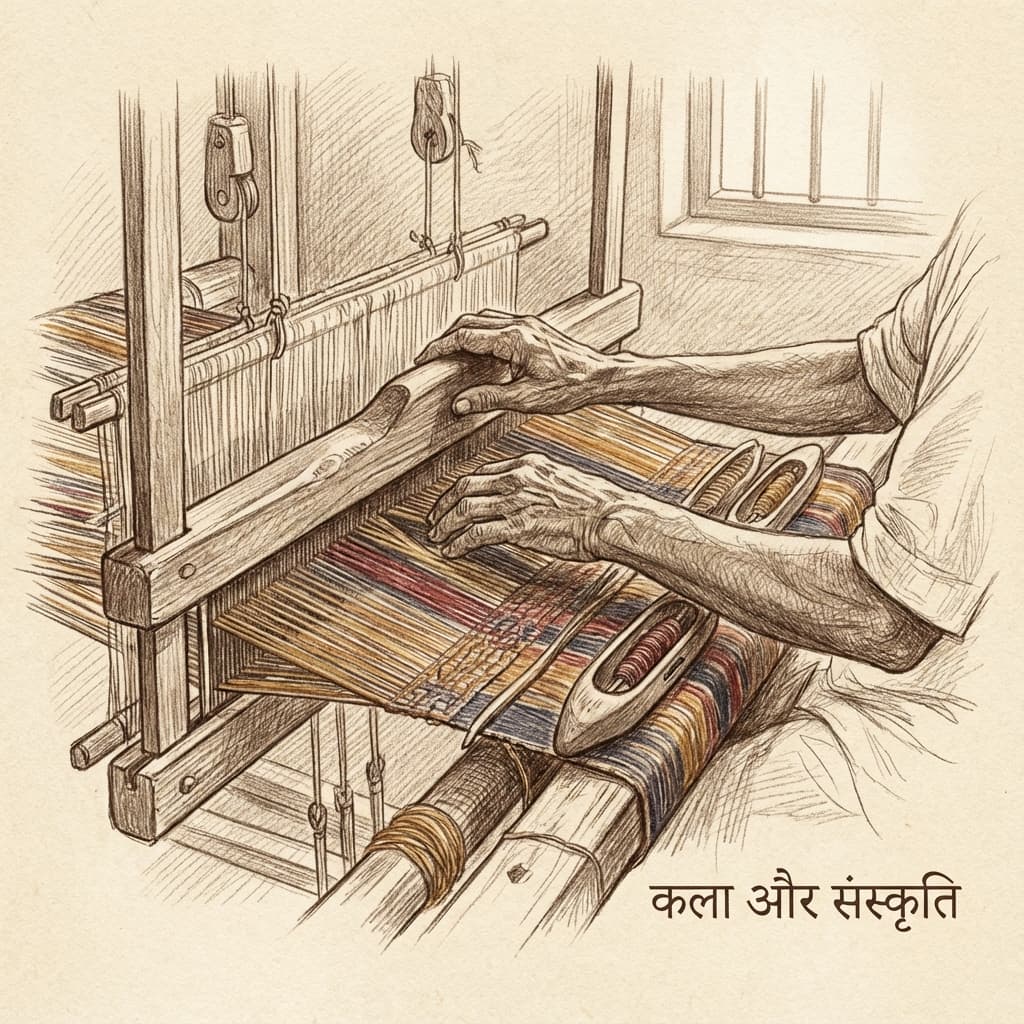
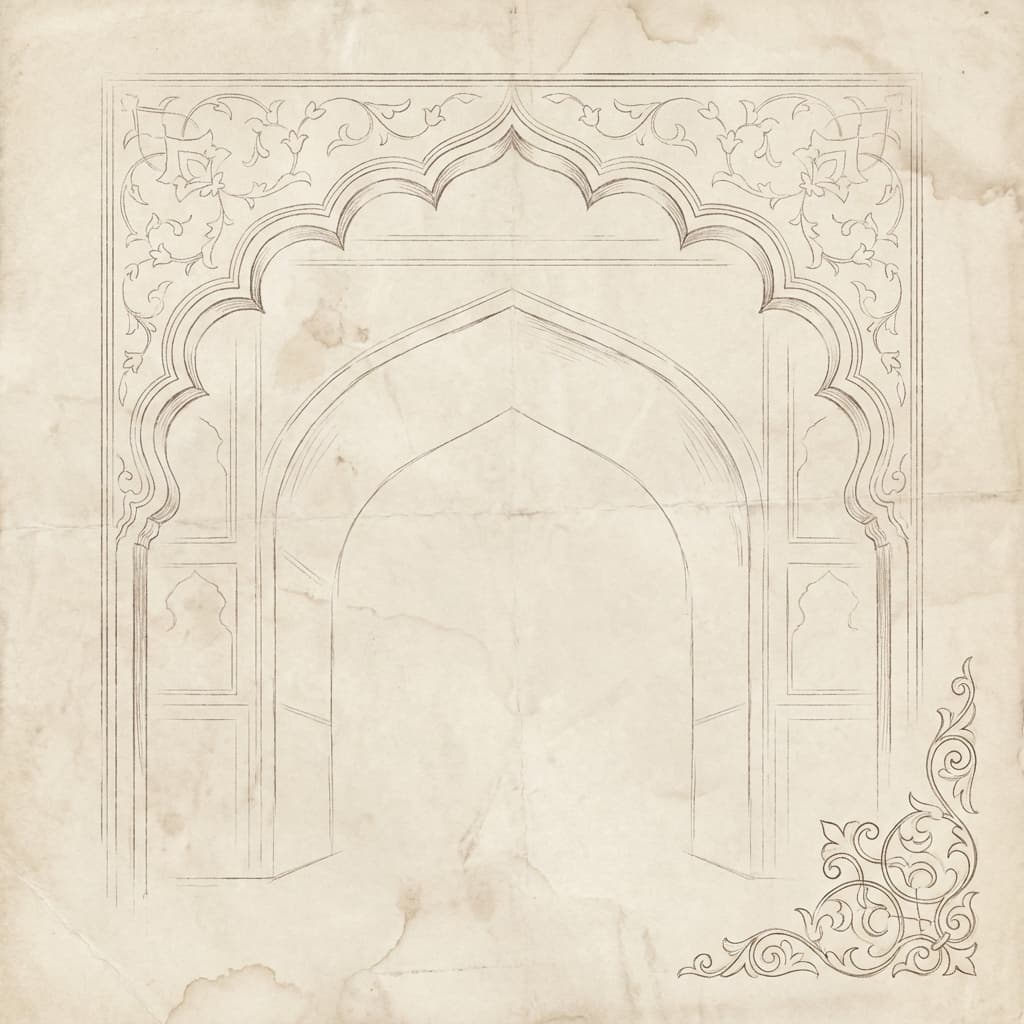
Maheshwar, situated on the banks of the sacred Narmada river, is the heart of this craft. The rhythmic flow of the river and the stone architectural patterns of the fort are mirrored in the geometric 'Zari' borders and linear patterns of every Maheshwari saree.
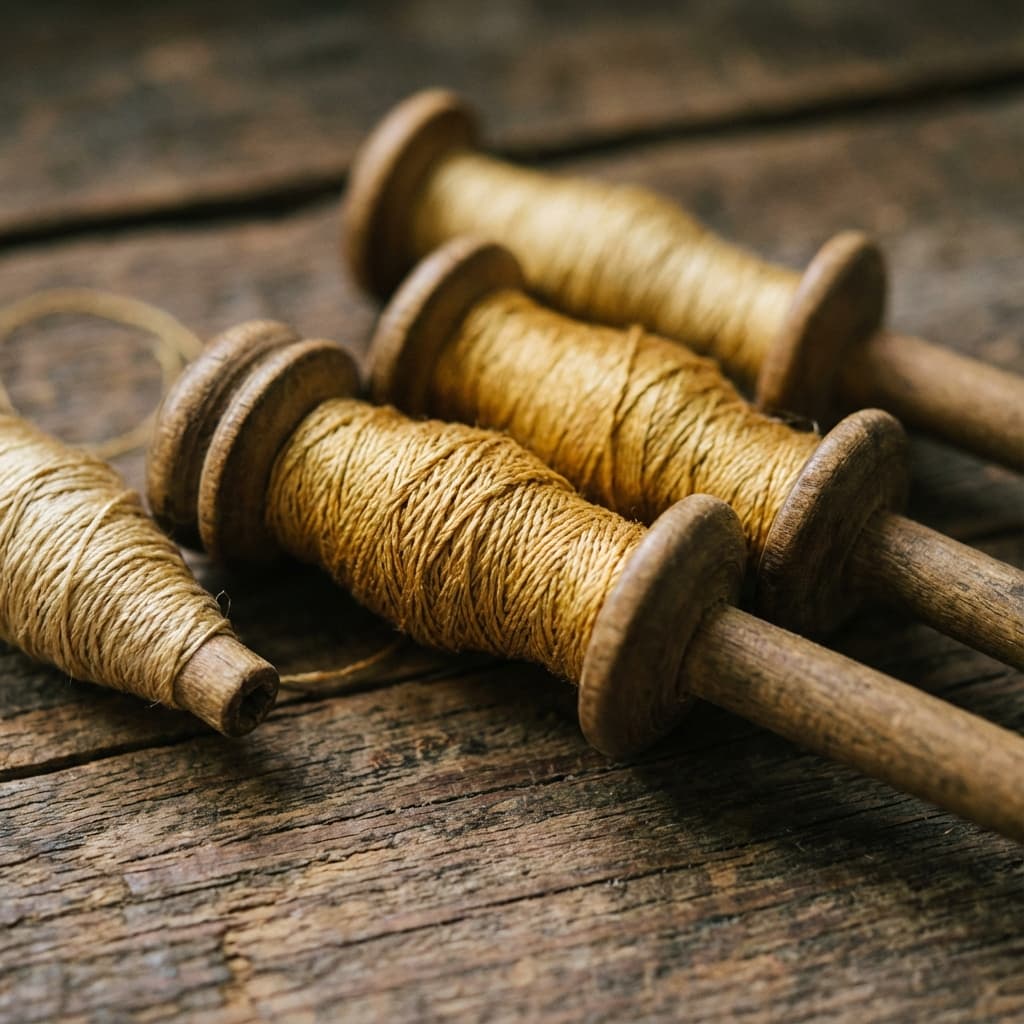
What makes a Maheshwari truly unique is its 'Garbha Reshmi' weave—a combination of silk in the warp and cotton in the weft. This creates a saree that has the luster of silk but the airy comfort of cotton, making it a favorite for Indian summers and royal celebrations alike.
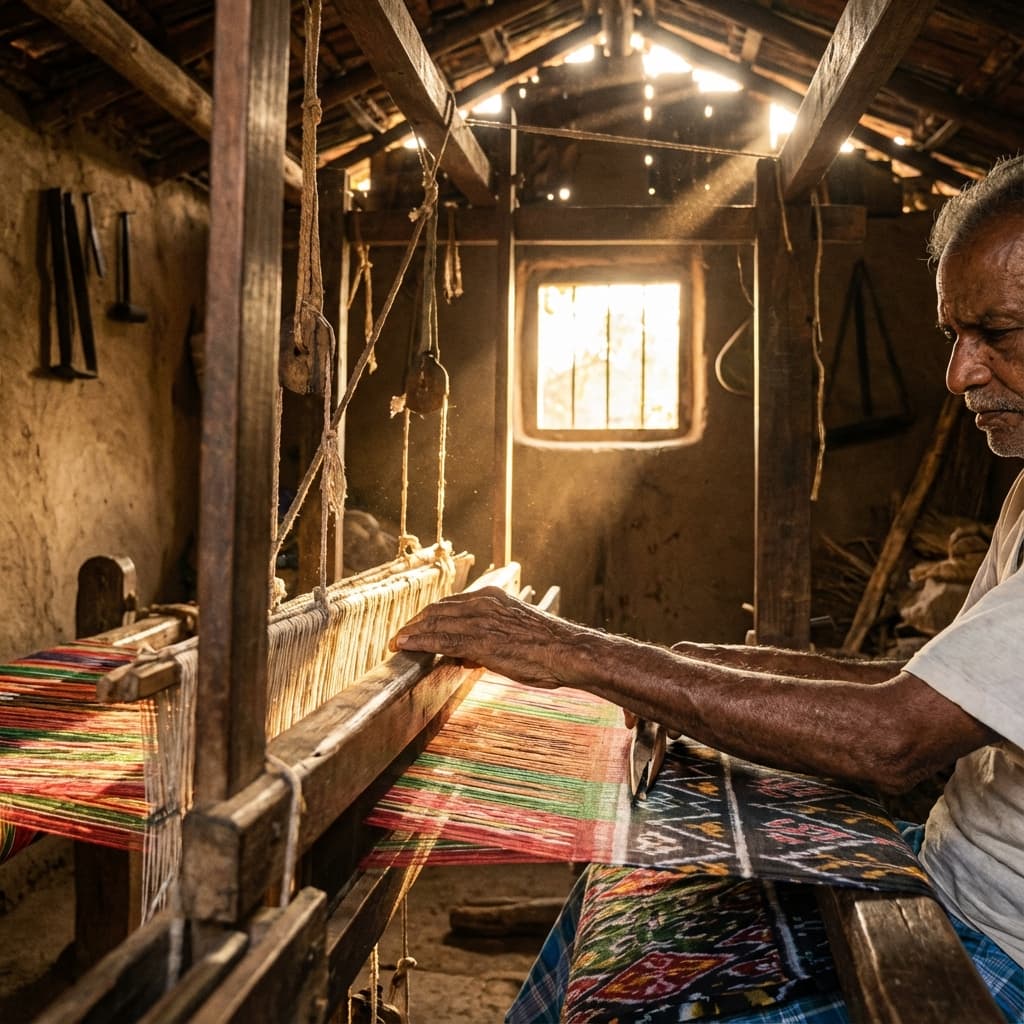
The most iconic feature of a Maheshwari saree is its reversible border, known as 'Bugdi'. Whether draped left or right, the border remains perfectly visible. These patterns—Chatai (Mat), Chameli (Jasmine), and Heera (Diamond)—are still hand-woven today using the same traditional looms.